Mantis: step further into the deep
In the realm of underwater exploration, few names stand out as prominently as Graham Hawkes, a visionary engineer and inventor whose contributions have significantly advanced the capabilities of submersible technology. One of his most remarkable creations, the Mantis submersible, emerged in 1978, marking a pivotal moment in the history of undersea exploration.
Graham Hawkes, born in 1947 in the United Kingdom, had already established himself as a pioneering figure in submersible design before unveiling the Mantis. His fascination with the ocean’s depths and a desire to overcome the limitations of traditional submarines led him to develop innovative underwater vehicles.
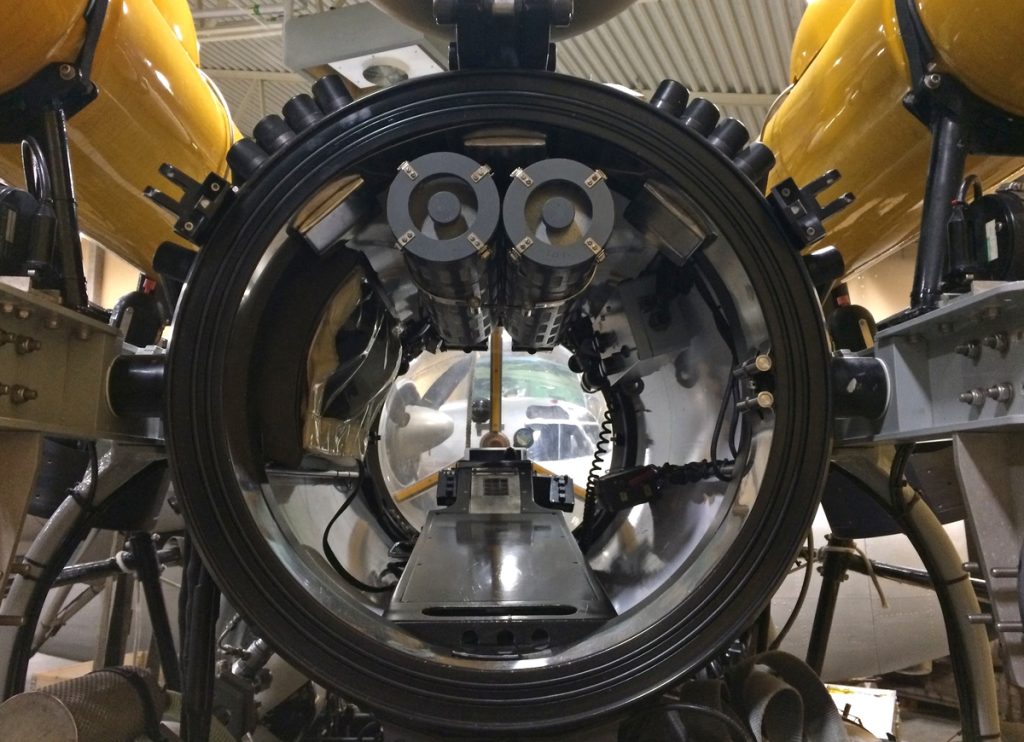
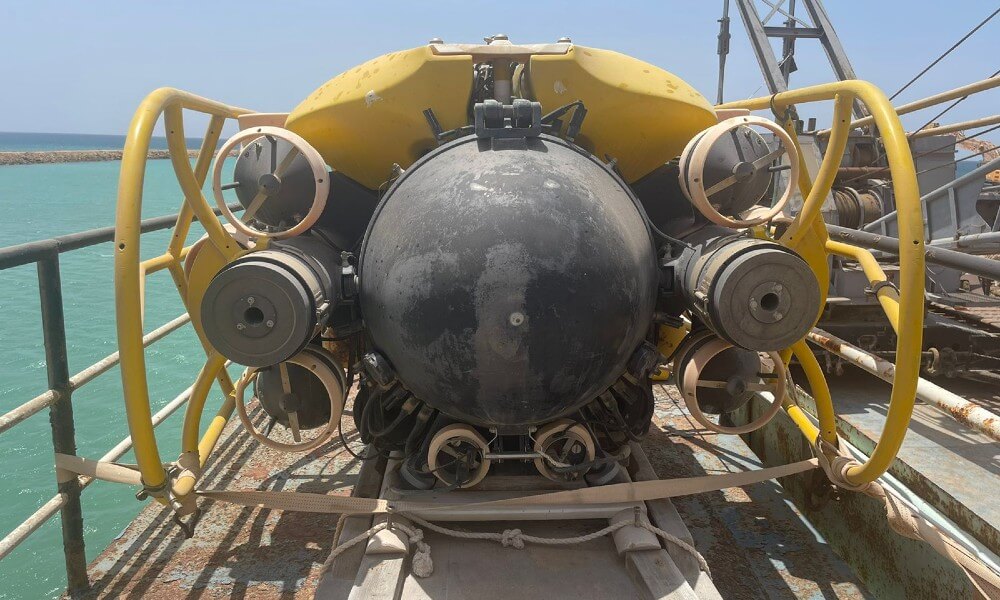
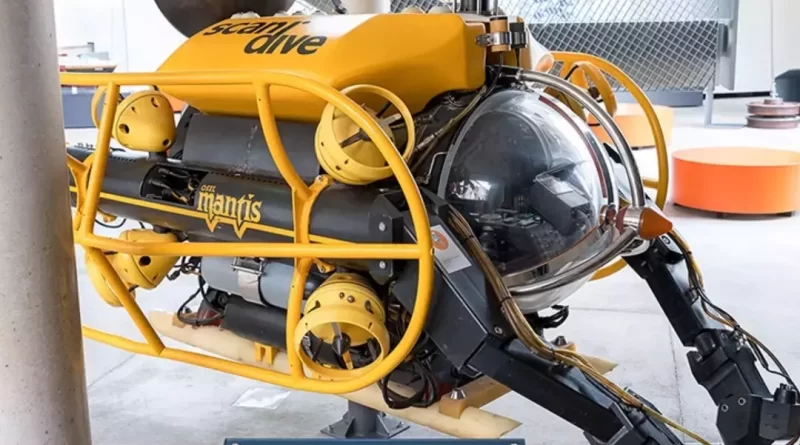
The Mantis submersible represented a departure from conventional submersible designs of its time. Hawkes envisioned a craft that could move effortlessly through the water, combining the agility of aquatic life with the durability of engineering excellence. The result was a revolutionary manned submersible that bore little resemblance to its contemporaries.
At the heart of the Mantis’s design was a radical concept known as the DeepFlight technology, which Hawkes pioneered. This technology allowed the submersible to achieve both vertical and horizontal movement with unparalleled ease. The Mantis could “fly” through the water, offering a level of maneuverability that was previously unimaginable. This unique approach to submersible design opened up new possibilities for underwater exploration and research.
The Mantis submersible was a sleek craft with the capability to dive to impressive depths, enabling scientists and researchers to study oceanic ecosystems with unprecedented precision. Its innovative design not only enhanced the functionality of underwater vehicles but also inspired a new generation of engineers and explorers to push the boundaries of what was possible beneath the waves.
Beyond its technical prowess, the Mantis played a crucial role in expanding humanity’s understanding of the ocean. Researchers and marine biologists utilized the submersible to explore underwater environments that were previously inaccessible, shedding light on the mysteries of the deep sea and its diverse ecosystems.
While the Mantis submersible itself may not be as widely recognized as some other submersibles, its impact on the field of underwater exploration is undeniable. It has very moderate technical characteristics if to be compared with more modern developments:
Max. Speed 1,5 – 2,5 knots; Pressure Hull Material GRP and Aluminium; Diving Depth 610 m (2000 ft); Dry Weight 1020-1610 kg (1,12 – 1,77 to).
But Graham Hawkes’s groundbreaking design laid the groundwork for future advancements in submersible technology, influencing subsequent generations of underwater vehicles.